Here's the answer up front, because you searched for a number and you deserve one: my mobile app builds start at $5,500 for a single platform — iOS or Android — and $9,999 for both. Plus a monthly fee to keep it alive, and a couple of store fees everyone forgets to mention.
Now let me earn those numbers, because the price is the least interesting part. The interesting parts are whether you need an app at all, why “both platforms” doesn't cost double, and how to avoid paying for your app twice — once for the cheap version, once for the real one.
Do you even need a mobile app?
This is the first thing I work out with every client, and it comes down to your business flow, your audience, and sometimes your budget.
A party planner doesn't need an app. Their business runs on conversations — every event is different, every quote is custom, and what they need is a website that gets them found and a phone that rings. An app would just be an expensive icon.
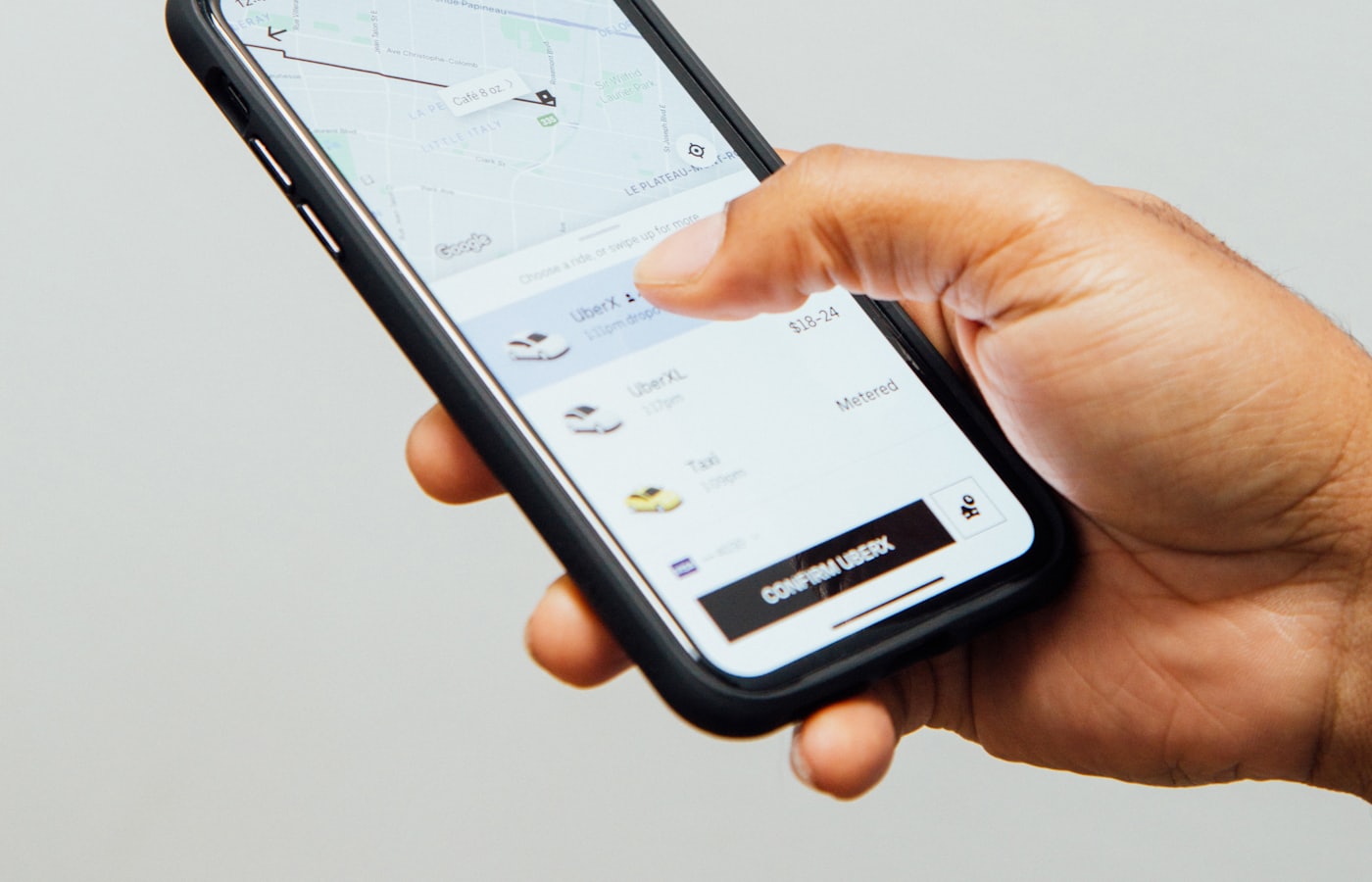
But a nail tech? A barber? Someone who bakes cakes? Those businesses can benefit greatly from an app, and here's the logic: their customers are repeat customers. If I've ordered a cake from you once and I see one I like, I already know what to order and how it works. If I need a haircut, I know who I choose, what service I get, and I can see your daily availability right there.
An app removes the human factor from transactions that don't need one — and staffing that human factor costs money. The owner sees who booked. The customer books without a phone call. The two of you can even message inside the app without sharing personal phone numbers. Bookings keep coming while the owner is working.
The test is simple: if your customers come back and order the same kind of thing again, an app earns its spot on their home screen. If every job starts with a conversation, put the money into your website instead — I've broken down what a website costs and what a web app costs so you can compare all three honestly.

What $5,500 actually buys
My single-platform starting price is exactly that — a starting price for a real scope of work. We target one platform, iOS or Android, and we work with you to fit your needs into the budget as much as possible. If your vision is grander than the budget, I'll tell you upfront and we'll talk about what it really takes — no surprise invoices at month three.
At the starting tier you get a native build, dashboard integration, push notifications, App Store submission handled for you, and three months of support. If the app takes bookings, it plugs into the same kind of flow that already makes online booking one of the highest-ROI upgrades a service business can make.
One platform or two?
Here's the honest truth: most clients ask for the full app — iOS and Android both. And most of the time, that's the right call.
The reason both platforms cost $9,999 and not $11,000 is technology like React Native and Flutter: we build one app — with certain caveats — that works great on both platforms. The price is higher than single-platform because those caveats are real work. Both platforms have to be accounted for, tested, and polished so the app doesn't just run on both, it feels right on both.
When would I steer you to a single platform? Simple: when the budget is tight and your audience clearly lives on one side. If your customers are overwhelmingly iPhone people — or overwhelmingly Android people — launch there, see if you've hit the mark, and add the other platform when the app is earning. Plenty of successful companies did exactly this. OpenAI released the ChatGPT app on iOS first; Android came later. If it's good enough for them, it's good enough for a nail salon in Arlington Heights.
The costs nobody mentions
Two things surprise almost every first-time app owner:
- Store fees, paid directly to Apple and Google. Apple's developer account is $99 per year; Google's is a one-time $25. These are yours — you own the developer accounts, so you own your app's presence in the stores. Honestly, most of the “back and forth” clients experience during launch is just setting up and paying these accounts. If hosting runs through us, there's not much else you need to do.
- The monthly ($299–$399/mo). Apps behave completely differently from websites. Apple and Google ship OS updates and policy changes constantly, and your app has to stay compliant, alive, and working through all of it. The monthly covers that compliance work, the hosting and backend, monitoring, and updates — so the app keeps bringing bookings from the customer who always goes to the same barber, and always orders from the same baker. An app whose owner skips maintenance doesn't fail loudly; it quietly rots until an OS update breaks it during your busiest week.
How long it takes
If you're clear on what you want and the project is feasible, design is usually ready within the first two weeks of client meetings. From there we multitask — building, testing, and store prep run in parallel wherever possible. A single-platform app typically goes from “yes” to live in 6–10 weeks; cross-platform runs a bit longer.
Store submission, listings, and the review process are handled by us — and for what it's worth, nothing I've shipped has ever been rejected by Apple or Google. At delivery we walk through everything together against the checklist we agreed on, the same way we run every custom build.
The cheap-app traps
Three patterns keep bringing me customers who already paid someone else:
The offshore vanish. They take the money, deliver something half-working or nothing, and disappear. No support, no follow-up.
The template resell. Some shops hand you an app they built long ago, reskinned — you're paying custom prices for a template they've sold twenty times.
The AI bros. Companies are opening left and right with barely any IT experience, having AI run everything. AI is genuinely good — when the person using it is a technical engineer who knows the field. When it's the only engineer on the team, your project is in danger: security holes, exposed data, nobody who can fix what they can't understand.
Your defense is boring and effective: do your research. Talk to the developer. Ask about their experience, their past work, what they've actually shipped — a credible builder expects those questions and answers them plainly. And keep the rule from my last pricing post in mind: a $1,000 Chanel bag is not really a Chanel bag.

The bottom line
If your customers are repeat customers, a mobile app starts at $5,500 for one platform, $9,999 for both, plus roughly $300–400 a month to keep it compliant and earning — with Apple's $99/year and Google's $25 on top. Design in two weeks, live in the stores in about two months, and phased so you can start on one platform and expand when it's working. That's the honest math behind our mobile and desktop app development — every tier is public, no “call for a quote.”
And if you're not sure whether you need an app, a web app, or just a better website — ask. Sorting that out costs nothing, and it's the most expensive question to get wrong. Tell me what you're thinking →